
WIC Florida is a program that provides nutrition assistance to low-income pregnant women, new mothers, and young children. In this guide, we will explore the eligibility criteria for WIC in Florida and how it works in conjunction with the SNAP (Supplemental Nutrition Assistance Program) benefits. Understanding how these programs intersect can help families access the support they need to ensure their nutritional needs are met.
Introduction to WIC Florida
What is WIC Florida?
WIC Florida stands for the Special Supplemental Nutrition Program for Women, Infants, and Children. It is a federal assistance program designed to provide nutritious foods, nutrition education, and healthcare referrals to low-income pregnant women, new mothers, infants, and children up to age five in the state of Florida.
Importance of WIC Florida
WIC Florida plays a crucial role in ensuring that vulnerable populations have access to essential nutrients during critical stages of growth and development. By offering tailored support, WIC aims to improve the health outcomes of participants, reduce the risk of nutrition-related health issues, and promote healthy eating habits within families.

SNAP Benefits in Florida
Overview of SNAP Benefits
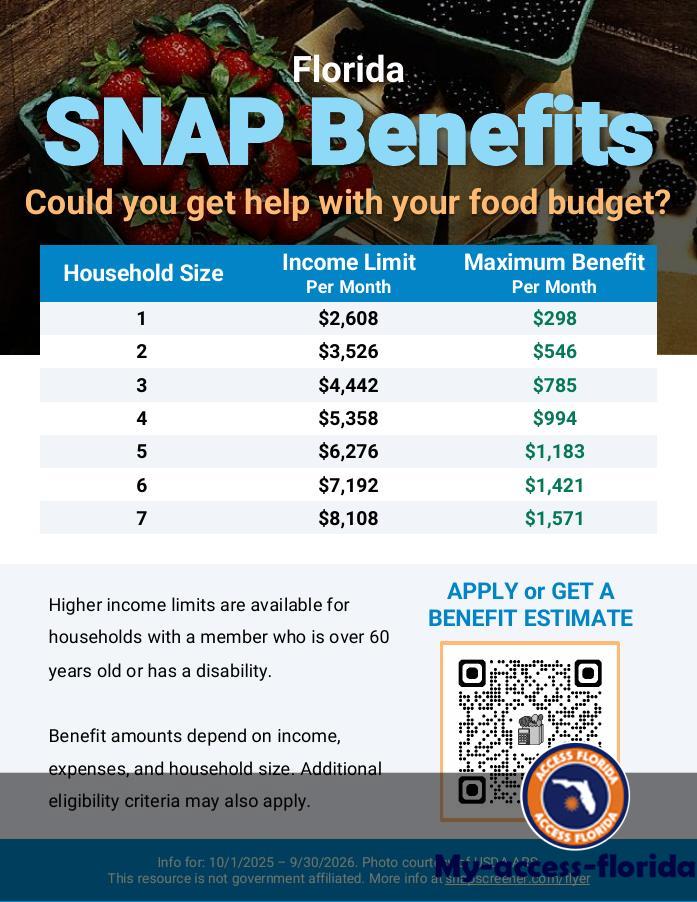
SNAP (Supplemental Nutrition Assistance Program) provides crucial food assistance to eligible individuals and families in Florida. This program aims to help low-income households access nutritious food to maintain a healthy diet. SNAP benefits are distributed through Electronic Benefit Transfer (EBT) cards, which can be used to purchase a variety of food items at authorized retailers.
Eligibility for SNAP in Florida
To qualify for SNAP benefits in Florida, individuals must meet certain income and resource requirements set by the program. Factors such as household size, income level, and expenses are taken into consideration during the application process. It is important for applicants to provide accurate and up-to-date information to determine their eligibility for SNAP benefits.
Eligibility Criteria for WIC in Florida
WIC (Women, Infants, and Children) is a program that provides nutrition assistance to low-income pregnant women, new mothers, infants, and young children. In Florida, to be eligible for WIC, applicants must meet certain criteria related to income, residency, and nutritional risk. Income eligibility is based on the federal poverty guidelines, and applicants must fall within the specified income limits to qualify for the program. Residency requirements state that applicants must be residents of Florida, and they must also be at nutritional risk as determined by a healthcare professional.
Income Eligibility
Income eligibility for WIC in Florida is determined based on the size of the applicant’s household and their total income. The program considers income before taxes, and many working families qualify for WIC benefits. Pregnant women, new mothers, and young children who receive Medicaid, TANF, or SNAP benefits automatically meet the income eligibility criteria for WIC.
Residency and Nutritional Risk
Applicants must provide proof of residency in Florida, such as a driver’s license or utility bill. Additionally, they must undergo a health screening to determine nutritional risk. This screening assesses factors such as height, weight, and hemoglobin levels to identify individuals who may benefit from WIC’s nutritional support.
Application Process for WIC in Florida
Applying for WIC Benefits
Applying for the Women, Infants, and Children (WIC) program in Florida is a straightforward process designed to help eligible individuals access essential nutrition support. To start the application process, individuals can contact their local WIC office to schedule an appointment. During the appointment, applicants will need to provide information about their household income, identification documents, and proof of residency in Florida.
Evaluating Eligibility
After submitting the necessary documentation, applicants will undergo an evaluation to determine their eligibility for WIC benefits. Eligibility criteria typically include income requirements, nutritional risk assessments for women and children, and residency status. Once approved, participants will receive a WIC EBT card that can be used to purchase specific nutritious foods at authorized retailers across Florida. It is essential to renew WIC benefits periodically to continue receiving assistance and support for a healthy diet.

Understanding WIC and SNAP Programs
Overview of WIC and SNAP
WIC (Women, Infants, and Children) and SNAP (Supplemental Nutrition Assistance Program) are two vital food assistance programs in Florida that aim to improve the health and nutrition of low-income individuals and families. WIC provides nutritious foods, nutrition education, and healthcare referrals to pregnant women, new mothers, infants, and children up to age five, while SNAP offers monthly benefits for purchasing food to eligible households.
Differences and Similarities
While both programs focus on addressing food insecurity and promoting healthy eating habits, they differ in eligibility criteria and benefits. WIC specifically targets pregnant women and young children, providing tailored nutrition guidance and food packages. SNAP, on the other hand, is available to a broader range of low-income individuals and families, offering financial assistance for purchasing a variety of food items. By understanding the distinct features of each program, individuals can maximize the support they receive to meet their nutritional needs.
WIC Florida: Benefits and Services
WIC Florida provides a range of benefits and services to eligible participants, aiming to improve the health and nutrition of women, infants, and children. The program offers nutritious foods, nutrition education, breastfeeding support, and referrals to healthcare services. These services are crucial for ensuring the well-being of mothers and their young children, promoting healthy growth and development.
Benefits of WIC Florida
Participants in WIC Florida receive monthly food packages tailored to their nutritional needs, including items such as fruits, vegetables, whole grains, and dairy products. Additionally, the program provides access to nutrition counseling and education, helping families make informed choices about their diet and overall health. WIC also supports breastfeeding mothers by offering lactation support and resources to encourage successful breastfeeding practices.
Services Offered by WIC Florida
Aside from food assistance and nutrition education, WIC Florida offers immunization screenings, health assessments, and referrals to other healthcare services. These comprehensive services aim to address the holistic health needs of participants, ensuring that women, infants, and children receive the care and support necessary for their well-being. By combining food assistance with healthcare resources, WIC Florida plays a vital role in promoting the health and nutrition of vulnerable populations.
Combining WIC and SNAP for Better Nutrition
Overview
Combining the Women, Infants, and Children (WIC) program with the Supplemental Nutrition Assistance Program (SNAP) in Florida can provide families with a comprehensive approach to improving their nutrition and overall well-being. By utilizing both programs, participants can access a wider range of nutritious foods and resources to support their health and dietary needs.
Benefits of Integration
Integrating WIC and SNAP allows families to maximize their benefits and enhance their food choices. While WIC focuses on specific nutritious foods tailored to pregnant women, infants, and young children, SNAP provides additional financial assistance for a variety of food items. By combining these programs, families can ensure they have access to a balanced and diverse diet that meets their nutritional requirements.