
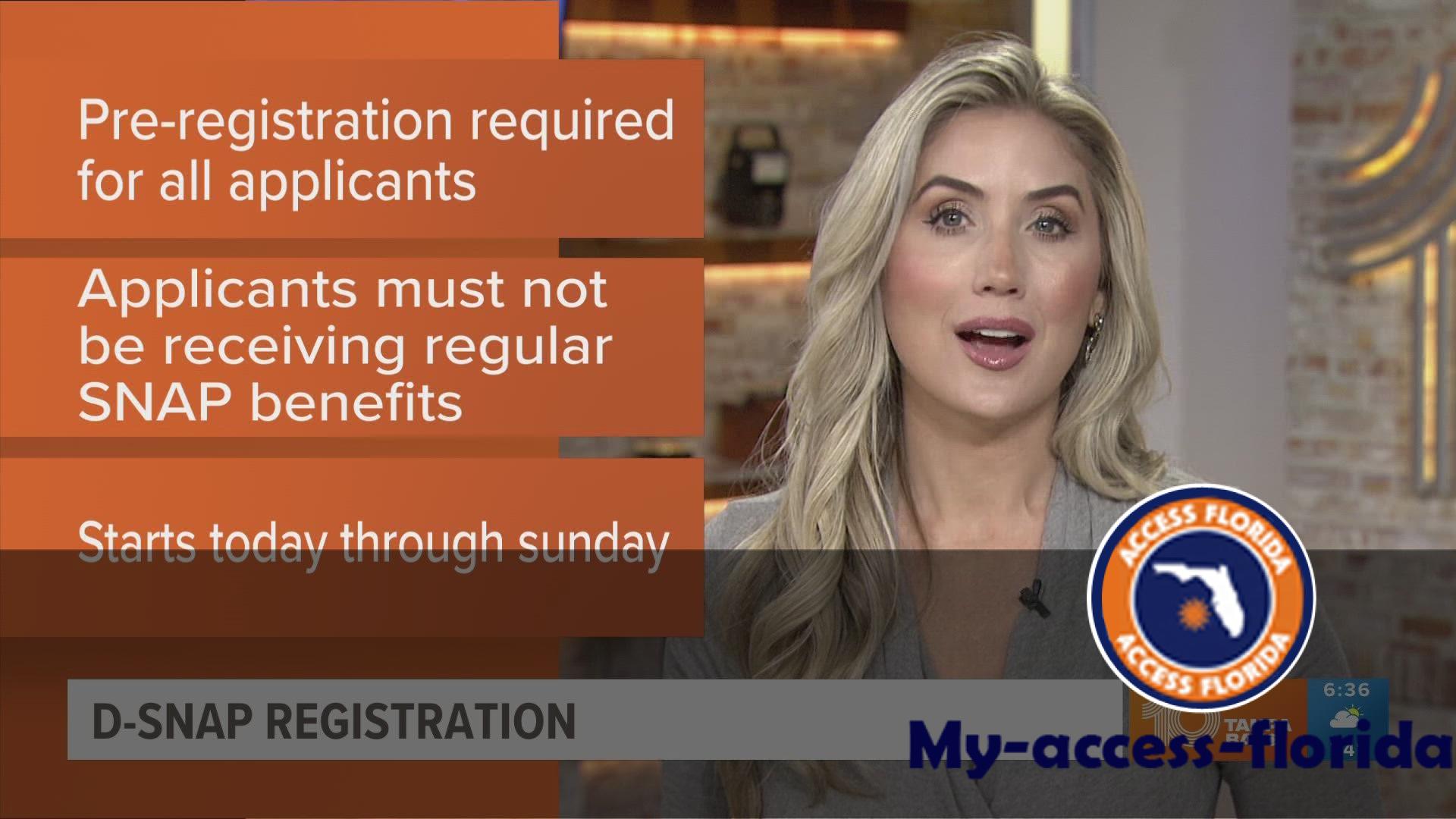
Applying for Disaster Supplemental Nutrition Assistance Program (D-SNAP) after a hurricane in Florida is crucial for those affected by the storm. This program provides temporary food assistance to eligible individuals and families who may have experienced loss or damage to their homes due to the hurricane. In this guide, we will walk you through the steps to successfully apply for D-SNAP benefits, ensuring you have access to the food resources you need during this challenging time.
Eligibility Requirements for D-SNAP in Florida
D-SNAP (Disaster Supplemental Nutrition Assistance Program) provides temporary food assistance for households affected by a disaster. In Florida, to be eligible for D-SNAP, individuals must meet certain criteria. These criteria typically include being a resident of the disaster area, experiencing disaster-related expenses, and having limited income and resources. Additionally, applicants must not already receive regular SNAP benefits.
Residency Requirement
To qualify for D-SNAP in Florida, applicants must be residents of the designated disaster area. Proof of residency, such as a government-issued ID or utility bill with the applicant’s address, may be required.
Income and Resource Limits
Applicants must also meet income and resource limits set by the program. These limits vary depending on household size and are designed to ensure assistance reaches those most in need. Proof of income, such as pay stubs or tax returns, will be needed to verify eligibility.

Steps to Apply for D-SNAP in Florida
Applying for Disaster SNAP (D-SNAP) in Florida is a straightforward process that can provide essential food assistance to those affected by a disaster. To begin the application process, individuals must first check if they are eligible for D-SNAP benefits based on income and disaster-related expenses. Once eligibility is confirmed, applicants can proceed to gather the necessary documentation and visit a D-SNAP application center.
1. Check Eligibility:
Before applying for D-SNAP in Florida, individuals must make sure they meet the eligibility requirements, which typically include being a resident of the disaster-affected area, experiencing disaster-related expenses, and meeting income limits set by the program. It is crucial to review the specific eligibility criteria to determine if you qualify for D-SNAP benefits.
2. Gather Required Documents:
When applying for D-SNAP in Florida, applicants must have certain documents on hand to support their application, such as proof of identity, residency, income, and disaster-related expenses. Gathering all necessary documentation in advance can help streamline the application process and ensure a faster determination of eligibility.
Documentation Needed for D-SNAP Application in Florida
Documentation Needed for D-SNAP Application in Florida is crucial to ensure a smooth application process. To apply for Disaster Supplemental Nutrition Assistance Program (D-SNAP) in Florida, you will need to provide various documents to verify your eligibility and support your application. Common documents required include proof of identity, residency, income, and disaster-related expenses.
Proof of Identity
Valid forms of identification such as a driver’s license, state-issued ID, or passport are typically required to prove your identity for the D-SNAP application. Make sure to bring original documents or copies as specified in the application guidelines.
Proof of Residency
Documents like utility bills, lease agreements, or official correspondence showing your current address in the disaster-affected area may be needed to establish your residency for D-SNAP eligibility. Ensure that the documents are recent and clearly show your name and address.
D-SNAP Application Centers in Florida
Locating the Nearest Application Center
When applying for Disaster Supplemental Nutrition Assistance Program (D-SNAP) benefits in Florida, it is crucial to know the location of the nearest application center. These centers are typically set up in areas affected by the disaster, such as community centers, schools, or government buildings. You can find the nearest application center by visiting the official website of the Florida Department of Children and Families or by contacting their hotline for assistance.
Operating Hours and Days
It is important to be aware of the operating hours and days of the D-SNAP application centers in Florida to ensure you visit during the designated times. These centers may have specific hours of operation, which can vary depending on the location and the volume of applications being processed. Additionally, some centers may have extended hours to accommodate a larger number of applicants, so it is advisable to check the schedule beforehand.

FAQs About D-SNAP in Florida
Understanding D-SNAP Benefits
D-SNAP (Disaster Supplemental Nutrition Assistance Program) provides temporary food assistance for households affected by a disaster. The amount of benefits received is based on the household’s income, resources, and disaster-related expenses. Eligibility criteria may vary depending on the specific disaster and its impact.
Application Process
Applying for D-SNAP involves submitting an application, attending an in-person interview, and providing necessary documentation. The application process is streamlined to ensure timely assistance to eligible households. Individuals are encouraged to apply as soon as possible after a disaster to expedite the process.
D-SNAP Benefit Calculation in Florida
Calculating the Disaster Supplemental Nutrition Assistance Program (**D-SNAP**) benefits in Florida is a crucial step in the application process. The amount of benefits an individual or household may receive is based on various factors, including income, expenses, and family size. To accurately determine the benefit amount, the Florida Department of Children and Families considers the financial information provided by the applicant during the application process.
Factors Affecting Benefit Calculation
Several factors influence the calculation of D-SNAP benefits in Florida. These factors may include total household income, expenses related to housing and utilities, medical costs, and the number of eligible household members. The benefit amount is designed to help eligible individuals and families access nutritious food during times of financial hardship caused by a disaster. Understanding how these factors impact the benefit calculation can help applicants provide accurate information and receive the maximum assistance available.
Tips for a Successful D-SNAP Application in Florida
1. Organize Your Documents
One of the key tips for a successful D-SNAP application in Florida is to make sure you have all the necessary documentation organized and ready to submit. This includes proof of identity, income, expenses, and any other relevant information required by the application process. By having your documents prepared and in order, you can streamline the application process and avoid delays.
2. Attend Application Centers Early
Another important tip is to **attend** D-SNAP application centers early in the process to avoid long wait times. By arriving early, you can ensure that you have enough time to complete the application and submit all required documents. Additionally, being one of the first in line can help you get through the process more efficiently and increase your chances of a successful application.