
En este artículo exploraremos cómo comprar semillas y plantas utilizando Florida SNAP, además de compartir algunos green hacks para hacer que tu jardín sea más sostenible. ¡Acompáñanos en este viaje hacia un estilo de vida más eco-friendly y accesible para todos!
Introduction
Buying Seeds and Plants with SNAP is a valuable opportunity for individuals and families looking to grow their own fresh produce. This initiative aims to promote self-sustainability and healthy eating habits among SNAP recipients. By using SNAP benefits to purchase seeds and plants, participants can cultivate their own fruits, vegetables, and herbs at home, reducing their reliance on store-bought produce.
What is SNAP?
SNAP, the Supplemental Nutrition Assistance Program, is a federal program that provides eligible low-income individuals and families with funds to purchase food. In addition to traditional grocery items, SNAP benefits can also be used to buy seeds and plants for growing food at home. This allows participants to access fresh, nutritious produce while also learning valuable gardening skills.
Benefits of Buying Seeds and Plants with SNAP
One of the key benefits of using SNAP benefits to purchase seeds and plants is the ability to grow your own food. This not only provides participants with a sustainable source of fresh produce but also promotes healthier eating habits. Additionally, gardening can be a therapeutic and rewarding activity, offering mental health benefits alongside the nutritional advantages of homegrown fruits and vegetables.
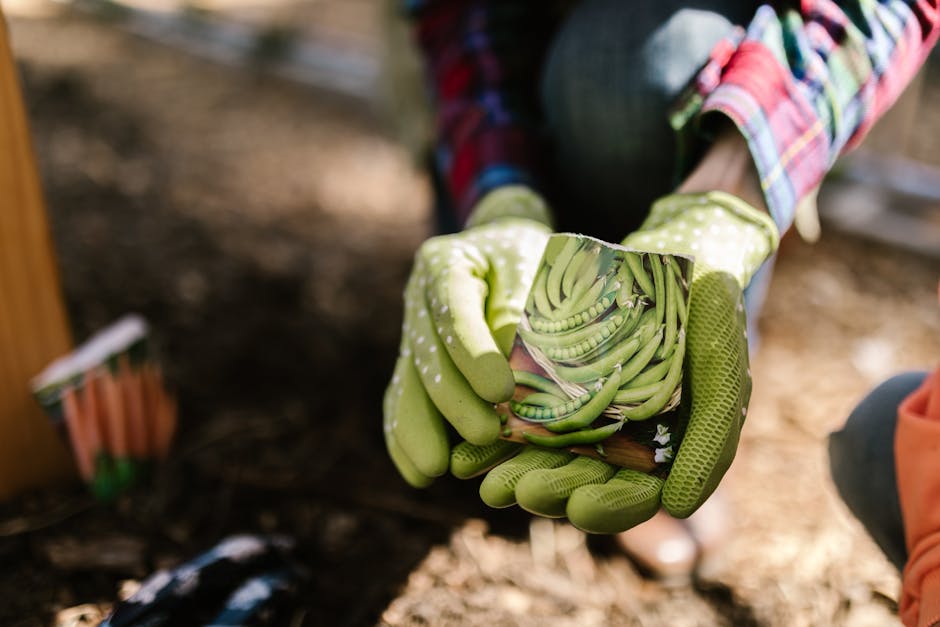
What is SNAP?
SNAP stands for Supplemental Nutrition Assistance Program, a government program that helps low-income individuals and families purchase food. SNAP benefits are provided on an Electronic Benefit Transfer (EBT) card, which works like a debit card to buy eligible food items. In addition to purchasing groceries, SNAP benefits can also be used to buy seeds and plants for growing food at home.
Benefits of Buying Seeds and Plants with SNAP
Using SNAP benefits to purchase seeds and plants can provide numerous benefits for individuals and families. By growing their own produce, SNAP recipients can save money on fresh fruits and vegetables, improve their access to nutritious food, and develop valuable gardening skills. Growing food at home also promotes self-sufficiency and food security, empowering individuals to take control of their food choices and nutrition.
Benefits of Buying Seeds and Plants with SNAP
Improving Food Security
The Supplemental Nutrition Assistance Program (SNAP) offers a valuable opportunity for recipients to purchase seeds and plants, which can contribute to improving food security. By growing their own fruits and vegetables, individuals and families can supplement their diets with fresh produce, ultimately leading to better nutrition and overall health.
Economic Benefits
Buying seeds and plants with SNAP benefits not only supports nutrition but also provides economic benefits. By growing their own food, SNAP recipients can save money in the long run by reducing their grocery bills. Additionally, gardening can be a productive and cost-effective hobby that promotes self-sufficiency and sustainability.
How to Use SNAP for Purchasing Seeds and Plants
Understanding SNAP Guidelines
When using Supplemental Nutrition Assistance Program (SNAP) benefits to purchase seeds and plants, it’s important to adhere to specific guidelines. SNAP benefits can typically be used to buy seeds and plants that produce food for the household to eat. However, ornamental plants, cut flowers, and seeds for plants that do not produce food are usually not eligible for purchase with SNAP benefits. It’s essential to carefully read and understand the guidelines set by the United States Department of Agriculture to ensure compliance when using SNAP for gardening purposes.
Locating Authorized Retailers
To use SNAP benefits for purchasing seeds and plants, individuals need to find authorized retailers that accept EBT cards. Many local farmers’ markets, grocery stores, and plant nurseries are approved vendors for SNAP transactions. It’s recommended to check the USDA’s online database of authorized SNAP retailers or inquire directly with the store to confirm their acceptance of EBT cards. By shopping at authorized retailers, individuals can make the most of their SNAP benefits when buying seeds and plants for their home gardens.

Eligibility Criteria
Eligibility criteria refer to the requirements that individuals must meet in order to qualify for a particular program or benefit. In the case of SNAP, there are specific criteria that must be met in order to use benefits for purchasing seeds and plants. One of the main eligibility criteria for SNAP is based on income level. Applicants must have a household income that falls within the specified guidelines set by the program in order to qualify for benefits.
Income Level
Income level is a key factor in determining eligibility for SNAP benefits. The program takes into account the total household income to assess whether an individual or family qualifies for assistance. The income guidelines are updated annually and vary depending on the number of people in the household. It is important for applicants to provide accurate and up-to-date information about their income to determine eligibility for SNAP benefits.
Frequently Asked Questions
Frequently Asked Questions section aims to address common doubts and concerns regarding the use of SNAP benefits for purchasing seeds and plants. Here are some of the most common questions:
1. Can I use my SNAP benefits to buy any type of seeds and plants?
SNAP benefits can be used to purchase seeds and plants that will produce food for the household. This includes vegetable seeds, fruit trees, and herbs. However, decorative plants and seeds that will not be used for consumption are not eligible for purchase with SNAP benefits.
2. How do I know which stores accept SNAP for seeds and plants?
Most retailers that accept SNAP benefits for food purchases also accept them for seeds and plants. It is recommended to check with the store beforehand or look for the SNAP logo displayed at the store entrance. Additionally, online retailers participating in the SNAP Online Purchasing Pilot may also offer seeds and plants for purchase.
Conclusion
Conclusion: After exploring the benefits of buying seeds and plants with SNAP, it is clear that this program plays a crucial role in promoting food security and self-sufficiency among low-income individuals and families. By allowing SNAP recipients to use their benefits for purchasing seeds and plants, the program not only provides access to fresh and nutritious produce but also encourages healthy eating habits and sustainable food practices.
Future Opportunities for Growth
Future Opportunities for Growth: As more awareness is raised about the benefits of buying seeds and plants with SNAP, there is a significant opportunity for expansion and enhancement of this program. Implementing educational initiatives on gardening, nutrition, and food preservation could further empower SNAP recipients to make the most out of their benefits and improve their overall well-being.
Supporting Local Agriculture: Another aspect to consider for the future is the potential to strengthen connections between SNAP recipients and local farmers or community gardens. By fostering these relationships, individuals can access fresh produce while also supporting the local economy and promoting sustainable agriculture practices.