
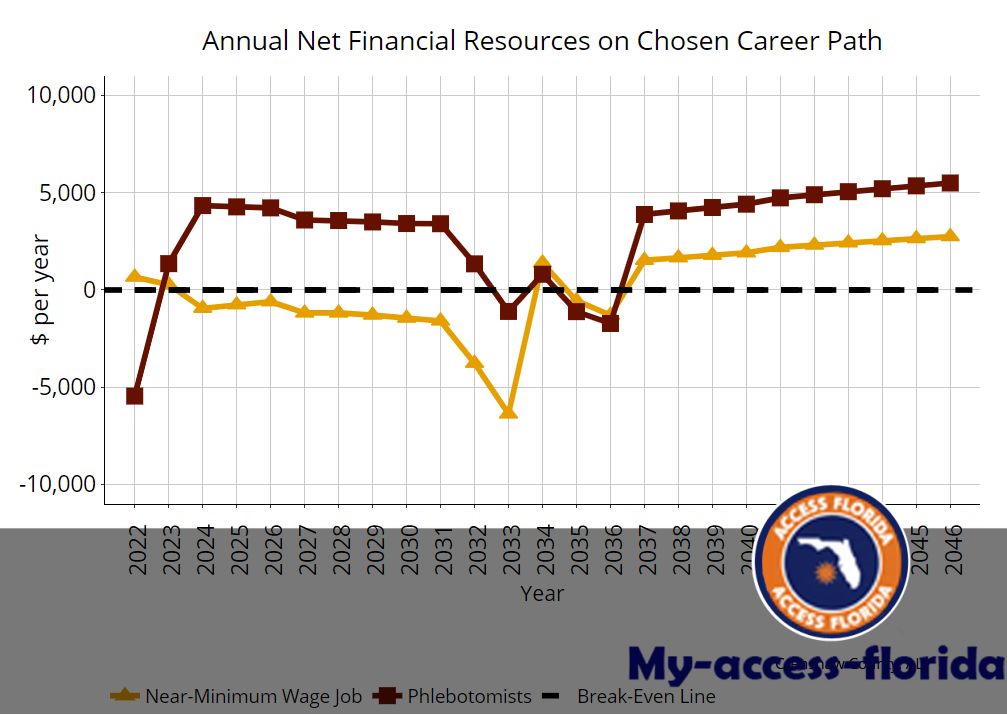
Florida’s Cliff Effect: Navigating Income Raises and Benefits
Welcome to our guide on navigating Florida’s Cliff Effect. This term refers to the challenge that many individuals face when their income increases, leading to a reduction or loss of benefits that ultimately outweigh the income raise. In this guide, we will explore how this phenomenon impacts individuals in Florida, and provide strategies on how to effectively manage income raises and benefits to avoid falling off the cliff. Let’s dive in and learn how to navigate this complex issue in the Sunshine State.
Understanding Florida’s Cliff Effect
Florida’s Cliff Effect refers to the sudden loss of **benefits** when a **household’s income** surpasses a certain threshold. This phenomenon can create a disincentive for individuals to increase their income, as they may end up worse off financially despite earning more. It’s crucial to understand how the cliff effect operates in Florida to effectively address its implications and challenges.
Subsections:
1.1 Causes of the Cliff Effect
The Cliff Effect in Florida is primarily caused by the structure of **benefit programs** that have strict income eligibility limits. As individuals earn more, they may reach a point where they lose access to crucial benefits such as **food assistance** or **childcare subsidies**, leading to a net decrease in their overall resources.
1.2 Consequences for Working Families
Working families in Florida often face the dilemma of choosing between pursuing higher-paying opportunities and maintaining essential benefits. The Cliff Effect can trap individuals in a cycle of limited **economic mobility** and financial insecurity, making it challenging to break free from the constraints of poverty.
How to Navigate Income Raises in Florida
Understanding how to navigate income raises in Florida is essential to avoid the potential negative consequences associated with the Cliff Effect. When individuals or families experience an increase in income that results in a reduction or loss of benefits, careful planning and consideration are necessary to mitigate the impact on overall financial stability. It is crucial to assess the specific eligibility requirements for various programs and understand how changes in income levels may affect benefit amounts.
Developing a comprehensive financial plan that takes into account potential income raises and their impact on benefits is key to successfully navigating this complex system. By proactively seeking information and guidance from experts in social services or financial planning, individuals can make informed decisions that support their long-term financial well-being while maximizing available resources.
Impact of Benefits on Income Raises in Florida
Understanding Benefit Reduction
One crucial aspect to consider when analyzing the impact of benefits on income raises in Florida is the concept of benefit reduction, also known as the Cliff Effect. This phenomenon occurs when individuals experience a sudden loss of benefits as their income increases, ultimately resulting in a net decrease in their overall resources. Understanding how benefit reduction works is essential in developing strategies to mitigate its negative effects on individuals and families.
Effect on Financial Stability
The impact of benefits on income raises in Florida can have a significant effect on individuals’ financial stability. As individuals strive to increase their income through work or other means, they may inadvertently reach a point where the reduction or elimination of benefits outweighs the income gains, creating a barrier to achieving economic self-sufficiency. Addressing this issue requires a comprehensive understanding of the intricate relationship between benefits and income raises in Florida’s welfare system.
Florida’s Welfare System and Income Raises
Overview of Florida’s Welfare System
Florida’s welfare system consists of various programs aimed at providing assistance to low-income individuals and families. These programs include Temporary Assistance for Needy Families (TANF), Supplemental Nutrition Assistance Program (SNAP), Medicaid, and more. Each program has specific eligibility criteria and benefits, which can impact how individuals experience income raises.
Interaction Between Welfare Benefits and Income Raises
When individuals in Florida receive welfare benefits and experience an increase in income, they may face challenges due to the cliff effect. The cliff effect occurs when a slight increase in income leads to a significant reduction or loss of benefits, which can create a disincentive for individuals to increase their earnings. Understanding how the welfare system interacts with income raises is crucial for individuals striving to improve their financial situation in Florida.

Strategies to Overcome Florida’s Cliff Effect
Navigating the Gradual Income Reduction
When facing the Cliff Effect in Florida, it’s essential to develop a plan to navigate the gradual income reduction that may occur as you experience increases in earnings. Consider working with a financial advisor or counselor to understand how your benefits may be impacted and strategize ways to minimize the negative effects.
Building a Safety Net
One effective strategy to overcome Florida’s Cliff Effect is to build a safety net by creating an emergency fund or exploring alternative sources of financial support. Setting aside a portion of your increased income can help cushion the impact of benefit reductions and provide a buffer during times of financial instability.
Balancing Income Raises and Benefits in Florida
Understanding the Interaction Between Income Raises and Benefits
When individuals in Florida experience an increase in income, they may inadvertently face a reduction or loss of certain benefits, creating what is commonly known as the cliff effect. This abrupt decrease in benefits can offset the positive impact of a raise, leaving individuals in a precarious financial situation. Understanding how these income raises and benefit reductions interact is crucial in navigating the complexities of Florida’s social assistance programs.
Strategies for Mitigating the Negative Effects
One approach to balancing income raises and benefits in Florida is to carefully plan and strategize when negotiating a salary increase or promotion. By proactively assessing how changes in income may affect eligibility for benefits, individuals can make informed decisions to minimize the potential negative consequences of the cliff effect. Additionally, seeking guidance from financial advisors or social service agencies can provide valuable insights into managing income raises while preserving essential benefits.
Navigating the Challenges of Florida’s Cliff Effect
Understanding the Cliff Effect in Florida
The Cliff Effect in Florida refers to a phenomenon where individuals may experience a sudden loss of benefits or assistance when their income surpasses a certain threshold, often leading to a net loss in financial support. This can create a disincentive for individuals to increase their income through work or salary raises, as the loss of benefits may outweigh the gain in earnings.
The Role of Income Thresholds in Florida
In Florida, income thresholds are set by various programs and agencies to determine eligibility for benefits such as Medicaid, SNAP, and housing assistance. When individuals exceed these thresholds, they may face a significant reduction or complete loss of assistance, impacting their overall financial stability. Understanding these thresholds and how they interact with each other is crucial in navigating the challenges posed by the Cliff Effect.