
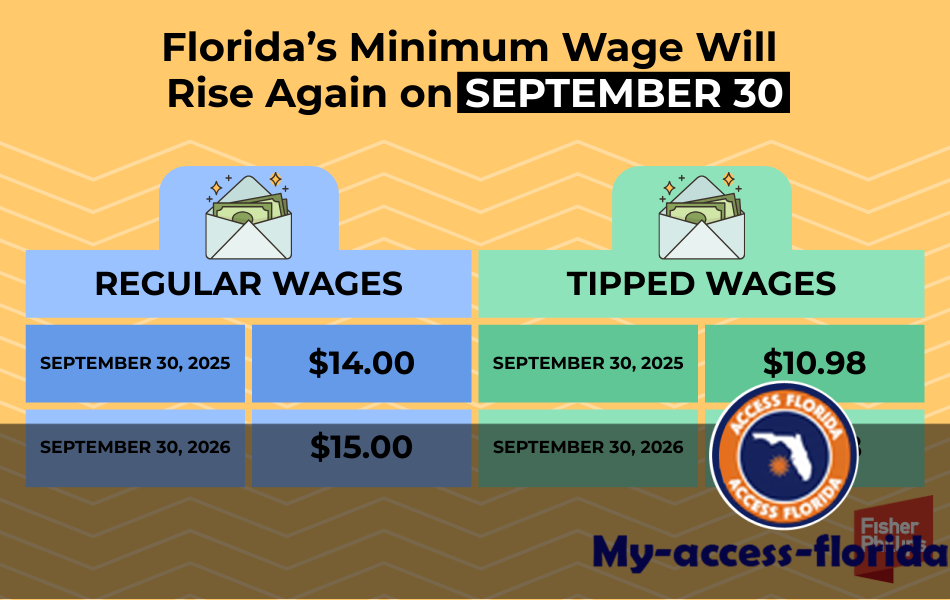
The recent minimum wage increase in Florida is a significant development that may have various implications for individuals and businesses across the state. In this guide, we will explore how this change can impact your particular circumstances, whether you are an employee, employer, or any other stakeholder. Stay informed and prepared as we delve into the details of the minimum wage increase in Florida and its effects on your case.
Introduction
Minimum wage is a critical topic that affects both employers and employees. In this section, we will explore the implications of a minimum wage increase in Florida and its economic impacts. Understanding the legal implications for employers and employees, as well as strategies for adapting to the change, is essential for navigating the challenges that come with such policies.
1. Minimum Wage Increase Proposal
The proposed minimum wage increase in Florida aims to improve the standard of living for low-wage workers. By gradually raising the minimum wage over a specified period, policymakers seek to address income inequality and ensure that workers can meet their basic needs.
2. Historical Context
To fully grasp the significance of the minimum wage increase, it is essential to consider the historical context of wage policies in Florida. Examining past changes and their impacts can provide valuable insights into the potential outcomes of the current proposal.
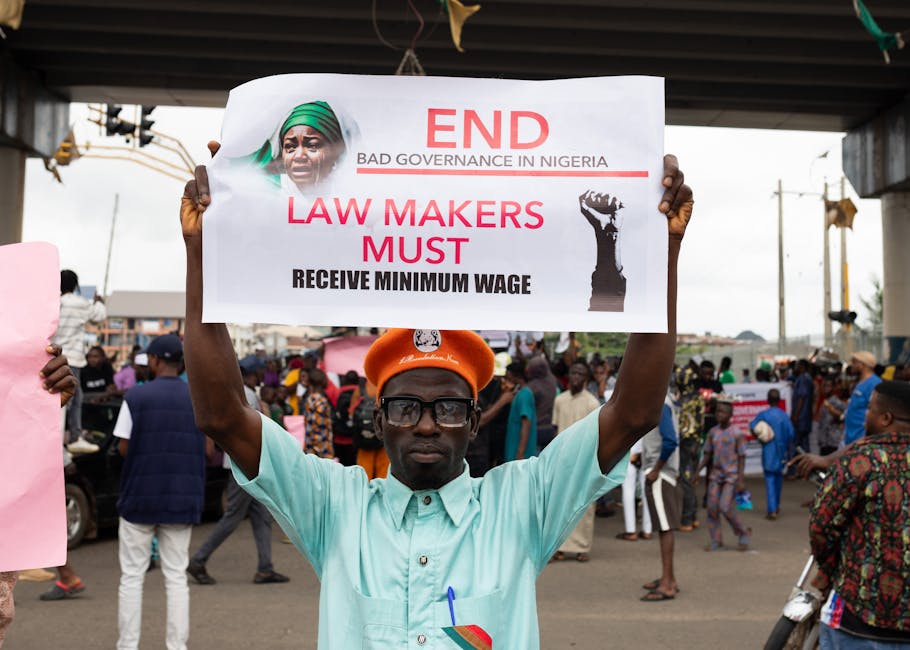
Minimum Wage Increase in Florida
Background
The minimum wage increase in Florida is a significant change that will have far-reaching impacts on both employers and employees across the state. The decision to raise the minimum wage reflects a push for greater economic equity and improved standards of living for low-wage workers.
Impacts on Small Businesses
Small businesses in Florida may face challenges in adjusting to the higher minimum wage. They may need to reevaluate their budgets, pricing strategies, and hiring practices to accommodate the increased labor costs. However, studies have shown that paying workers a higher wage can lead to increased employee satisfaction, productivity, and customer loyalty.
3. Economic Impacts of Minimum Wage Increase
3.1. Effects on Small Businesses
The **economic impacts** of a minimum wage increase are a topic of much debate, particularly in relation to its effects on **small businesses**. While some argue that higher wages could lead to increased consumer spending and boost the local economy, others express concerns about the potential strain on small businesses with limited profit margins. Small businesses may face challenges in adjusting to the higher labor costs, potentially leading to decisions such as reducing workforce or increasing prices.
3.2. Income Inequality and Poverty Alleviation
Advocates for a minimum wage increase often highlight its role in **reducing income inequality** and alleviating **poverty**. By ensuring that low-wage workers earn a more livable income, the increase can help lift individuals and families out of poverty. However, critics argue that a higher minimum wage could lead to job losses, particularly for low-skilled workers, and may not effectively target those most in need of financial support.
Legal Implications for Employers and Employees
1. Employer Obligations
When a state like Florida raises the minimum wage, employers must ensure they are compliant with the new regulations. This includes updating payroll systems, adjusting employee wages, and providing proper notice to workers. Failure to comply with minimum wage laws can result in legal consequences for employers, such as fines or lawsuits. It is essential for employers to stay informed about the changes and take the necessary steps to meet the new requirements.
2. Employee Rights
Employees in Florida are entitled to receive the new minimum wage as mandated by the state. It is crucial for workers to understand their rights and ensure that they are being paid correctly. If employees believe they are not receiving the proper wages, they have the right to file a complaint with the appropriate state agency. Employers must respect the rights of their employees and provide a fair and legal wage in accordance with the law.

Comparison with Minimum Wage in Other States
Overview: This section provides a comparison of the minimum wage in Florida with other states across the United States. Understanding how Florida’s minimum wage stacks up against those in other states can offer valuable insights into the economic landscape and standards of living across different regions.
Regional Variations
Regional Differences: It is crucial to analyze how Florida’s minimum wage compares to states in the same region, such as Georgia and Alabama, to determine competitiveness and potential economic impacts. Factors such as cost of living, industry composition, and labor market dynamics play a significant role in shaping minimum wage policies at the state level.
National Benchmarks
National Comparison: Looking at the minimum wage in states like California, New York, and Washington can provide a broader perspective on wage standards and social welfare policies. Examining successful models from other states can help policymakers in Florida make informed decisions about future adjustments to the minimum wage.
Strategies for Adapting to the Minimum Wage Increase
Introduction: This section will focus on providing strategies for businesses to effectively adapt to the minimum wage increase in Florida. It will offer practical tips and approaches that employers can implement to navigate the financial challenges and ensure a smooth transition without compromising the quality of their products or services.
1. Adjusting Pricing and Cost Management
Adapting to the minimum wage increase may involve reevaluating pricing strategies and managing costs effectively. Businesses might consider gradually adjusting prices to offset the higher labor expenses while maintaining competitiveness in the market. Implementing cost-saving measures such as optimizing operational efficiency, renegotiating contracts with suppliers, or exploring alternative vendors can also help mitigate the impact of the wage hike.
2. Investing in Employee Training and Development
Employee training and development can play a crucial role in enhancing productivity and maximizing the value of the workforce. By investing in training programs that improve skills and efficiency, businesses can increase employee satisfaction, reduce turnover, and ultimately boost performance levels. Empowering employees through continuous learning opportunities not only aligns with the wage increase but also fosters a culture of growth and innovation within the organization.
Conclusion
Conclusion: In this section, we summarize the key findings and insights from the analysis of the minimum wage increase in Florida. The data presented in the previous sections highlight the potential economic implications, legal considerations, and strategic approaches for employers and employees in response to the wage increase. The following subsections provide a comprehensive overview of the main takeaways from our study.
Key Findings
Key Findings: Our analysis indicates that the minimum wage increase in Florida is expected to have both positive and negative economic impacts. While it may lead to higher income for low-wage workers, there are concerns about potential job losses and increased operational costs for businesses. Understanding these trade-offs is crucial for policymakers and stakeholders to make informed decisions about future wage policies.
Implications for Employers and Employees
Implications: The legal implications of the minimum wage increase pose challenges for both employers and employees. Employers may need to adjust their payroll systems and budgeting to comply with the new wage laws, while employees could benefit from higher wages but may face potential reductions in work hours or job opportunities. It is essential for both parties to navigate these changes effectively to ensure a smooth transition to the new wage landscape.