
Learn about the recent updates to SNAP benefits for college students in Florida with the implementation of new rules. This guide will provide you with essential information on how these changes may impact your eligibility and access to food assistance. Stay informed and make the most of the resources available to you as a college student in Florida.
Snap Benefits for College Students in Florida
Overview of SNAP Benefits
**SNAP** benefits, formerly known as food stamps, provide nutritional assistance to low-income individuals and families. In Florida, college students facing financial hardship may qualify for SNAP benefits to help cover the cost of groceries and food items. These benefits are crucial for students struggling to make ends meet while pursuing their education.
Importance for College Students
For many college students in Florida, balancing the demands of academics and financial responsibilities can be challenging. SNAP benefits offer a lifeline to students who may otherwise struggle to afford basic necessities like food. Access to these benefits can alleviate financial stress and ensure that students can focus on their studies without going hungry.

Eligibility Criteria for SNAP Benefits in Florida
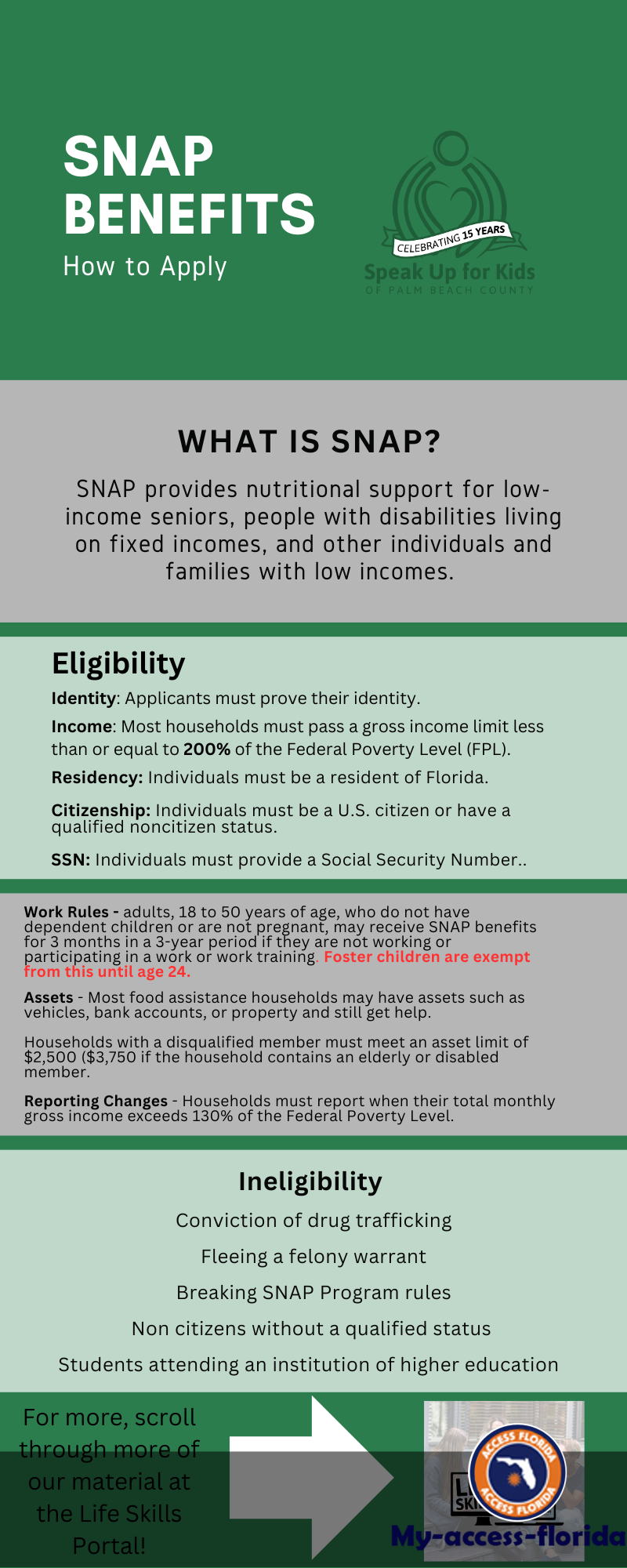
Snap Benefits for College Students in Florida: The eligibility criteria for SNAP benefits in Florida are based on several factors, including income, household size, and expenses. In order to qualify for SNAP benefits as a college student in Florida, individuals must meet certain requirements set by the state’s Department of Children and Families. These requirements may vary depending on the student’s circumstances, such as whether they are enrolled in a work-study program or receiving other forms of financial aid.
Income Requirements
Income requirements: College students seeking SNAP benefits in Florida must meet specific income guidelines established by the state. These guidelines take into account factors such as the student’s income, household size, and expenses. It is important for students to accurately report their income and provide necessary documentation to determine eligibility for SNAP benefits.
Application Process for College Students Seeking SNAP Benefits in Florida
1. Initial Steps
When applying for SNAP benefits as a college student in Florida, the first step is to gather all necessary documentation, such as proof of enrollment, income verification, and identification. It’s important to ensure that all documents are accurate and up to date to avoid any delays in the application process.
2. Completing the Application
College students can apply for SNAP benefits in Florida online through the Department of Children and Families website or by visiting a local office. The application requires detailed information about the student’s household, income, expenses, and assets. It’s crucial to provide all required information truthfully and accurately to determine eligibility for the program.
Changes in SNAP Rules for College Students in Florida
Recent Updates in SNAP Policies
Florida has recently implemented changes to the SNAP rules affecting college students. These changes aim to streamline the application process and ensure that eligible individuals receive their benefits promptly. It is important for college students to stay informed about these updates to successfully navigate the SNAP program.
Impact on Work Requirement
One significant change in SNAP rules for college students in Florida is the adjustment in the work requirement. Previously, students were required to work a certain number of hours to qualify for benefits. However, the recent changes have modified this requirement to better accommodate students balancing work and studies. Understanding how these changes affect eligibility can help students make informed decisions regarding their SNAP benefits.

Impact of SNAP Benefits on College Students in Florida
Positive Effects
Receiving Supplemental Nutrition Assistance Program (SNAP) benefits can have a significant positive impact on college students in Florida. With the rising costs of tuition, books, and living expenses, many students struggle to afford nutritious food. SNAP benefits help alleviate financial stress, ensuring students have access to adequate food resources and can focus on their academic success.
Academic Performance
The availability of SNAP benefits has been linked to improved academic performance among college students in Florida. By ensuring that students have enough to eat, SNAP can enhance concentration, memory, and overall cognitive function, leading to better grades and graduation rates. Access to nutritious food through SNAP also promotes overall health and wellbeing, which is crucial for student success.
How to Maintain SNAP Eligibility as a College Student in Florida
Maintaining eligibility for SNAP benefits as a college student in Florida is crucial to continue receiving support for food assistance. To remain eligible, students must meet certain requirements, such as maintaining enrollment in an eligible program, meeting academic progress standards, and complying with work-study requirements if applicable. It is important to regularly update your information with the SNAP office to ensure continued eligibility.
Meeting Academic Progress Standards
One of the key requirements to maintain SNAP eligibility as a college student in Florida is to demonstrate satisfactory academic progress. This typically involves maintaining a certain GPA and completing a minimum number of credits each semester. Failure to meet these standards could result in a loss of benefits, so it is important to stay focused on your academic goals while also meeting SNAP requirements.
Resources for College Students Applying for SNAP Benefits in Florida
Resources for College Students Applying for SNAP Benefits in Florida can be crucial in navigating the application process and understanding eligibility requirements. One key resource is the Florida Department of Children and Families (DCF), which oversees the administration of SNAP benefits in the state. DCF provides information on eligibility criteria, application procedures, and can assist students in completing their applications.
Student Support Services
Many colleges and universities in Florida offer student support services to help students access SNAP benefits. These services may include workshops on SNAP eligibility, one-on-one assistance with the application process, and referrals to additional resources for students in need. Students are encouraged to reach out to their school’s student support services office for assistance.
Community Organizations
Additionally, community organizations such as food banks, non-profit agencies, and advocacy groups can provide valuable support to college students applying for SNAP benefits. These organizations may offer guidance on navigating the SNAP system, provide information on other available resources, and offer assistance to students in need. College students are encouraged to explore the resources available in their local community to support their SNAP application process.