
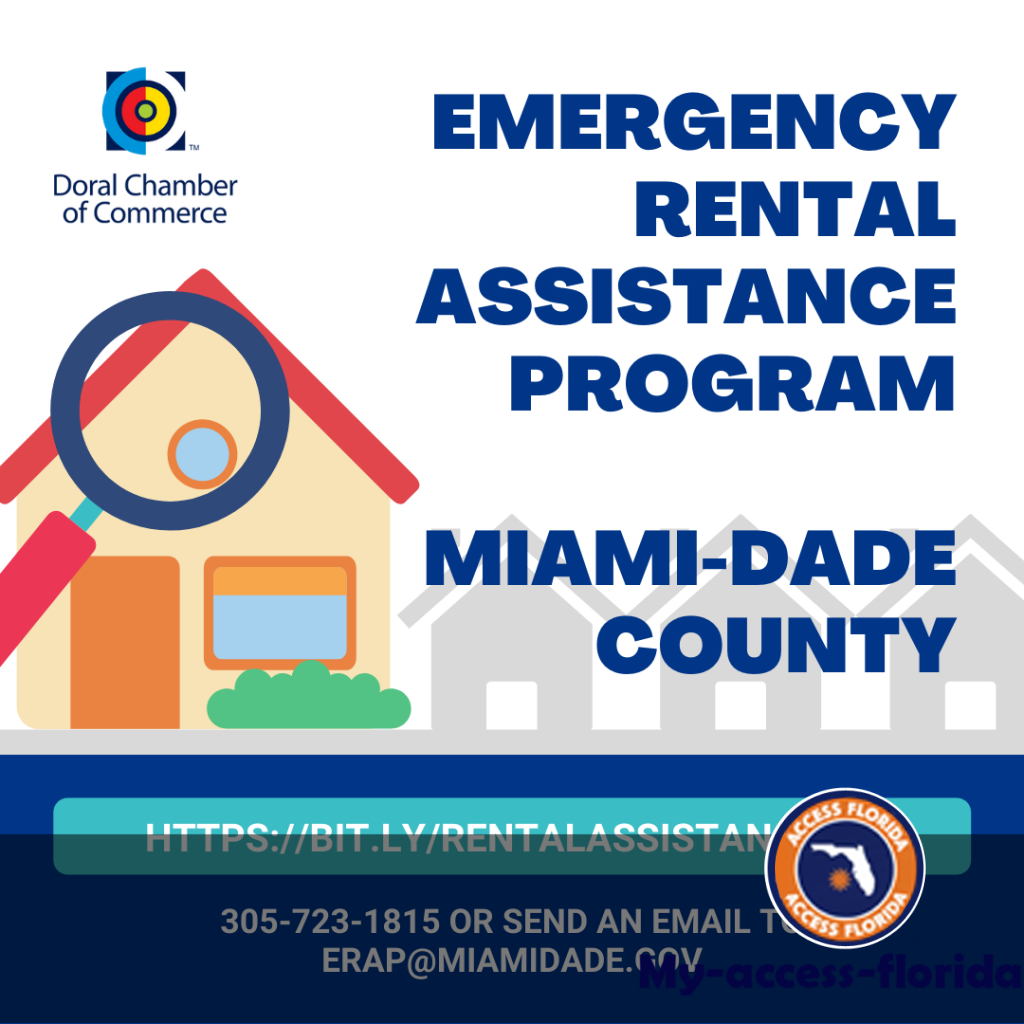
The Florida Emergency Rental Assistance Programs provide crucial support to individuals and families facing housing insecurity. This report aims to provide an overview of the current status of these programs, including eligibility criteria, application process, and funding availability. Stay informed about the initiatives in place to help those in need during these challenging times.
Florida Emergency Rental Assistance Programs
Florida Emergency Rental Assistance Programs provide financial assistance to eligible households facing challenges in paying rent and utilities due to the impact of the COVID-19 pandemic. These programs aim to prevent homelessness and ensure housing stability for individuals and families in need. By offering support with rental arrears, current rent, and utility payments, the programs help alleviate the financial burden on vulnerable populations.
Types of Assistance Offered
The Florida Emergency Rental Assistance Programs may cover a range of expenses, including past due rent, future rent payments, and utility costs. Eligible households can receive assistance for up to a certain number of months, depending on their specific circumstances. Additionally, some programs may provide funds for related expenses such as internet services essential for remote work or virtual learning.

Eligibility Criteria for Florida Rental Assistance Programs
Income Eligibility
Florida Rental Assistance Programs require applicants to meet certain income criteria to be eligible for assistance. Typically, households must demonstrate financial need by falling below a certain percentage of the Area Median Income (AMI) for their area. This ensures that assistance is targeted towards those who are most in need of support.
Proof of Hardship
Applicants may also be required to provide documentation or proof of the hardship they are facing that has led to their inability to pay rent. This could include job loss, reduction in hours, medical expenses, or other circumstances that have impacted their ability to meet their housing expenses. This information helps program administrators assess the level of need and prioritize assistance to those facing the most significant challenges.
Application Process for Florida Emergency Rental Assistance
Applying for Florida Emergency Rental Assistance is a straightforward process designed to help individuals and families facing financial hardship. To begin, applicants must gather necessary documentation such as proof of income, identification, and lease agreements. Once the required documents are in order, individuals can submit their application through the online portal or by visiting a designated physical location. The application will be reviewed by program administrators to determine eligibility based on income and other criteria.
Document Submission
One critical step in the application process is ensuring all required documents are submitted accurately and completely. Incomplete or incorrect documentation can delay the processing of the application and may result in disqualification. Therefore, applicants should double-check all paperwork before submission to avoid any issues.
Application Review
After submitting the application, qualified individuals can expect their application to be reviewed in a timely manner. Program administrators will assess the information provided to verify eligibility and determine the amount of assistance to be provided. It is essential for applicants to respond promptly to any requests for additional information to expedite the review process.
Funding Sources for Florida Rental Assistance Programs
Funding Sources
Florida Rental Assistance Programs are primarily funded through a combination of federal, state, and local sources. The main funding sources include the Emergency Rental Assistance Program (ERAP) provided by the U.S. Department of the Treasury, state budget allocations, and local government grants. These funds are crucial in providing financial relief to eligible renters facing economic hardships due to the COVID-19 pandemic.
Private Donations and Partnerships
In addition to government funding, some Florida Rental Assistance Programs benefit from private donations and partnerships with non-profit organizations, foundations, and corporate sponsors. These collaborations help expand the reach of the programs and ensure that more individuals and families in need can access rental assistance. Private contributions play a significant role in supplementing public funding and supporting the sustainability of rental assistance initiatives across Florida.

Impact of Florida Rental Assistance Programs on Communities
Positive Impact
The Florida Rental Assistance Programs have had a significant positive impact on communities across the state. By providing financial assistance to struggling households, these programs have helped prevent homelessness and housing instability. Families have been able to stay in their homes, ensuring stability for children and adults alike. Additionally, the programs have contributed to the overall economic well-being of communities by maintaining a stable housing market and preventing a surge in evictions.
Negative Impact
Despite their positive outcomes, the Florida Rental Assistance Programs have also faced challenges that have had negative impacts on communities. Delays in processing applications and distributing funds have left many households waiting for assistance, leading to increased financial strain and potential evictions. Additionally, some communities have reported issues with the accessibility of the programs, leaving certain vulnerable populations underserved. Addressing these challenges is crucial to ensure that the programs continue to positively impact communities in need.
Challenges and Successes of Florida Emergency Rental Assistance
Florida Emergency Rental Assistance Programs have faced several challenges and enjoyed some successes since their implementation. One of the main challenges has been reaching out to all eligible households in need of assistance. Limited awareness of the programs, lack of internet access, and language barriers have hindered the efforts to provide help to those most affected by the economic downturn.
On the other hand, a significant success has been the speed at which funds have been distributed to approved applicants. By streamlining the application process and collaborating with local community organizations, the state has been able to efficiently allocate resources to those facing eviction or homelessness. Additionally, the flexibility of the programs in adapting to changing circumstances and needs has been crucial in ensuring that assistance reaches those who need it most.
Future Outlook for Florida Rental Assistance Programs
Anticipated Expansion of Services
The future outlook for Florida Rental Assistance Programs is promising, with an anticipated expansion of services to reach more individuals and families in need. As the demand for rental assistance continues to grow, program administrators are working on enhancing their outreach efforts and streamlining the application process to ensure efficient delivery of aid.
Collaboration with Community Partners
In order to sustain and improve the effectiveness of the rental assistance programs, there is a strong emphasis on fostering collaborations with community partners such as non-profit organizations, housing agencies, and local government entities. By working together, these stakeholders can leverage their resources and expertise to better address the housing challenges faced by vulnerable populations.