
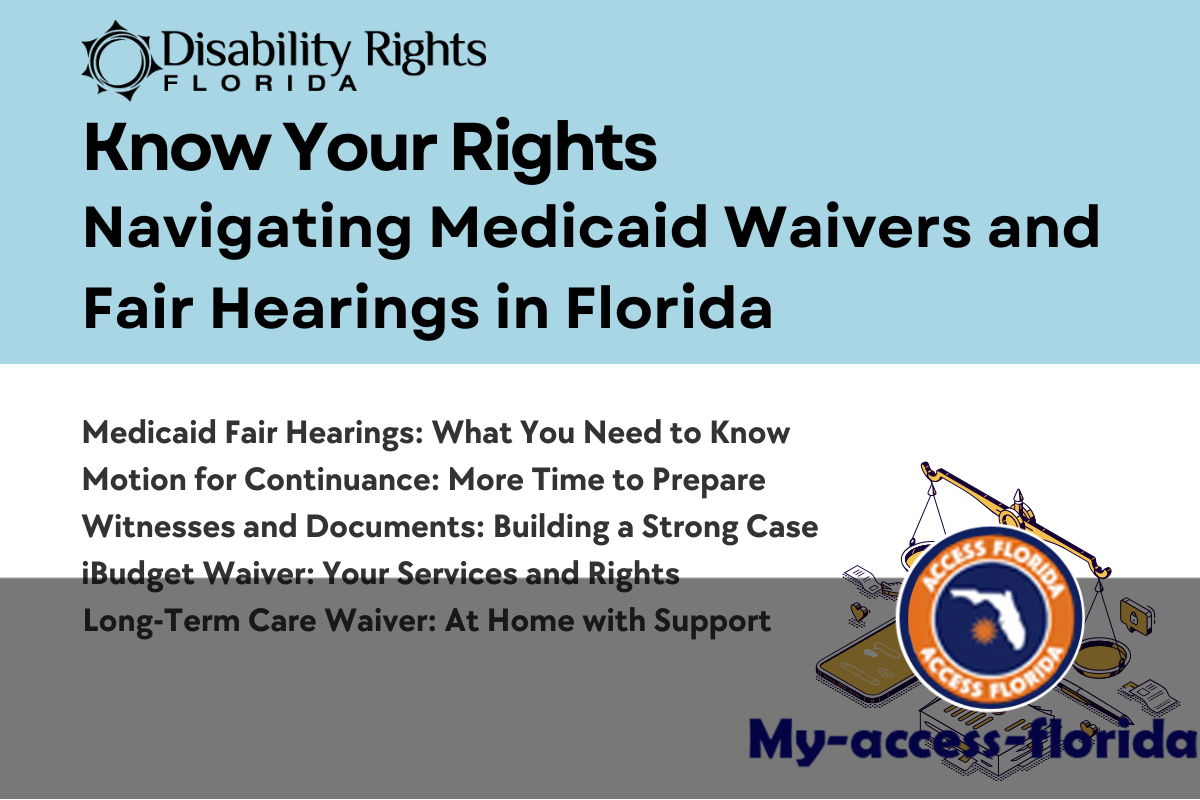
Navigating Medicaid for People with Disabilities in Florida can be a complex process, but understanding the available resources and requirements is essential to ensure individuals receive the necessary support and services. In this guide, we will explore the Medicaid program in Florida specifically designed for people with disabilities, outlining key information and steps to help you effectively navigate the system. Whether you are a caregiver, individual with a disability, or simply seeking information, this guide aims to provide clarity and guidance on accessing Medicaid services in Florida.
Medicaid in Florida
Medicaid in Florida is a state and federally funded program that provides health coverage to eligible low-income individuals and families. Administered by the Florida Agency for Health Care Administration, Medicaid aims to ensure access to essential healthcare services for those in need. The program covers a wide range of medical services, including doctor visits, hospital care, prescription drugs, and more.
Eligibility Criteria for Medicaid in Florida
To qualify for Medicaid in Florida, individuals must meet specific income and asset requirements. Eligibility is primarily based on income level, household size, and citizenship status. Certain categories of individuals, such as pregnant women, children, the elderly, and people with disabilities, may be eligible for Medicaid even if their income exceeds the standard limits.
Medicaid Services for People with Disabilities in Florida
For individuals with disabilities in Florida, Medicaid provides a range of services tailored to their unique healthcare needs. These services may include home and community-based care, personal care assistance, therapy services, and more. Medicaid plays a crucial role in supporting individuals with disabilities to lead independent and fulfilling lives.

Eligibility Criteria for Medicaid in Florida
Income Requirements
Medicaid in Florida is available to individuals and families who meet specific income requirements. The income limits vary depending on the household size and composition, with lower income thresholds for children and pregnant women. It’s important to carefully review the income guidelines to determine eligibility.
Asset Limits
In addition to income requirements, Medicaid eligibility in Florida is also subject to asset limits. Certain assets, such as savings accounts, property, and investments, may impact eligibility. Understanding the asset limits is crucial when applying for Medicaid benefits to ensure compliance with the program’s regulations.
Medicaid Services for People with Disabilities in Florida
Medicaid in Florida offers a range of services specifically tailored to meet the needs of individuals with disabilities. These services aim to provide comprehensive care and support to improve the quality of life for disabled individuals in the state. Medicaid coverage for people with disabilities includes a variety of benefits such as long-term care services, medical equipment, home health care, and prescription drugs.
Furthermore, Medicaid in Florida also covers services such as physical therapy, occupational therapy, speech therapy, and mental health services for individuals with disabilities. These services are crucial in assisting disabled individuals to lead more independent and fulfilling lives. It is essential for individuals with disabilities and their families to understand the full range of services available through Medicaid in Florida to ensure they receive the necessary care and support.
Applying for Medicaid in Florida
Overview of the Application Process
Applying for Medicaid in Florida can be a complex process, but understanding the steps involved can help streamline your application. First, gather all necessary documentation, such as proof of income, residency, and citizenship. Next, you can choose to apply online, by mail, in person, or over the phone. Be prepared to provide detailed information about your household, income, and assets.
Application Assistance
If you need assistance with your Medicaid application, there are resources available to help you navigate the process. You can seek support from community organizations, Medicaid enrollment specialists, or healthcare providers. Additionally, you may qualify for assistance programs that offer guidance and support throughout the application process.
Medicaid Managed Care in Florida
Medicaid Managed Care in Florida refers to the state’s program that coordinates and delivers healthcare services to Medicaid beneficiaries through contracted managed care organizations (MCOs). These MCOs work with healthcare providers to ensure that Medicaid recipients receive the necessary medical services in a cost-effective manner. By implementing managed care, Florida aims to improve access to quality healthcare, enhance care coordination, and control healthcare costs within the Medicaid program.
Types of Medicaid Managed Care Plans
In Florida, Medicaid beneficiaries can typically choose between different types of managed care plans, including Health Maintenance Organizations (HMOs), Provider Service Networks (PSNs), and Managed Medical Assistance (MMA) plans. Each type of plan offers varying levels of benefits, networks of healthcare providers, and services covered. Understanding the differences between these plans is essential for Medicaid recipients to select the most suitable option based on their healthcare needs and preferences.
Medicaid Waivers for People with Disabilities in Florida
Medicaid waivers in Florida provide essential services and support for individuals with disabilities who may not otherwise qualify for traditional Medicaid coverage. These waivers allow individuals to access a range of services such as home and community-based care, personal care assistance, respite care, and specialized medical equipment. By receiving services through Medicaid waivers, individuals with disabilities can continue living independently in their communities while receiving the necessary support to meet their unique needs.
Types of Medicaid Waivers in Florida:
There are several types of Medicaid waivers available in Florida specifically designed to support individuals with disabilities. These waivers include the Home and Community-Based Services (HCBS) waiver, the Developmental Disabilities Individual Budgeting (iBudget) waiver, and the Traumatic Brain and Spinal Cord Injury waiver. Each waiver has specific eligibility criteria and services tailored to the needs of individuals with different types of disabilities, ensuring that they receive the appropriate level of care and support.
Advocacy Resources for Medicaid Beneficiaries in Florida
Understanding the Importance of Advocacy for Medicaid Beneficiaries
Advocacy plays a crucial role in ensuring that Medicaid beneficiaries in Florida have access to the services and support they need. By advocating for policy changes, increased funding, and improved services, advocacy organizations can help protect the rights and interests of individuals relying on Medicaid for their healthcare needs.
Resources for Medicaid Beneficiaries in Florida
There are various organizations and resources available to assist Medicaid beneficiaries in Florida with advocacy efforts. These include legal aid services, community health centers, and nonprofit organizations dedicated to supporting individuals in navigating the complexities of the Medicaid system. By connecting with these resources, beneficiaries can receive guidance, support, and representation to ensure they receive the care and services they are entitled to under the Medicaid program.