
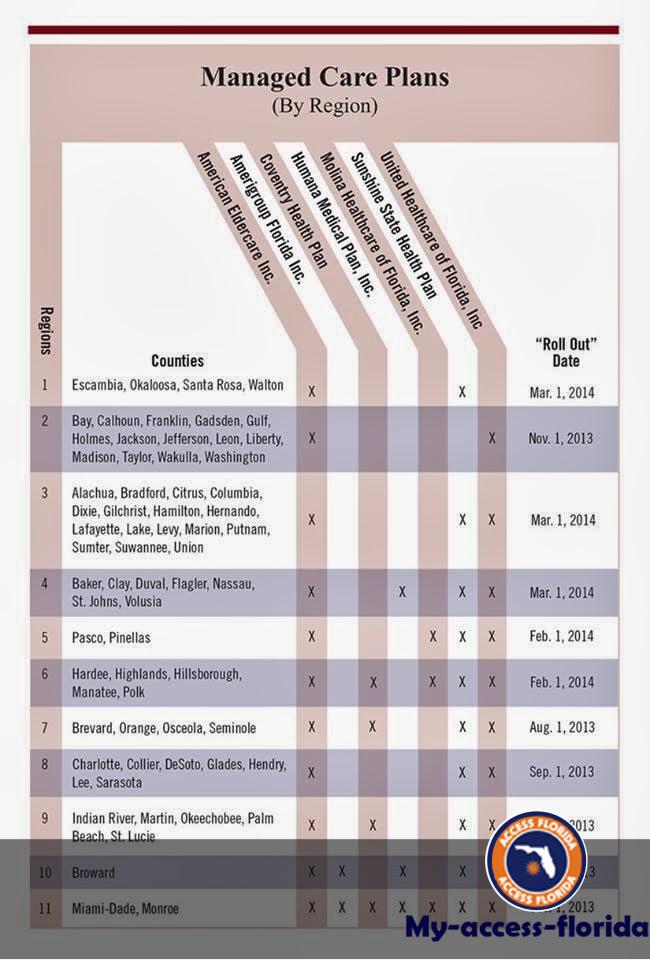
Understanding the Different Florida Medicaid Managed Care Plans
Florida Medicaid offers a variety of managed care plans to help individuals access the healthcare services they need. These plans provide coverage for a range of medical services, including doctor’s visits, hospital stays, prescriptions, and more. To make the most of your Medicaid benefits, it’s important to understand the different managed care plans available in Florida. In this guide, we will explore the various options and help you make an informed decision about which plan is right for you. Let’s dive in and unravel the complexities of Florida Medicaid managed care plans.
Introduction to Florida Medicaid Managed Care Plans
Florida Medicaid Managed Care Plans are a crucial component of the state’s healthcare system, providing comprehensive coverage to eligible individuals. These plans are designed to improve access to care, enhance quality, and control costs for Medicaid beneficiaries in Florida. Managed care organizations (MCOs) play a central role in delivering services and coordinating care for enrollees.
Types of Florida Medicaid Managed Care Plans
There are different types of Florida Medicaid Managed Care Plans available to beneficiaries, including Managed Medical Assistance (MMA) plans, Long-Term Care (LTC) plans, and Specialty plans. Each type of plan offers a unique set of services tailored to meet the specific needs of enrollees, ensuring they receive the care they require.

Benefits of Florida Medicaid Managed Care Plans
Florida Medicaid Managed Care Plans offer numerous benefits to enrollees, including access to a wide range of healthcare services and providers. One of the key advantages is the coordination of care, which ensures that individuals receive comprehensive and integrated healthcare tailored to their specific needs. This approach helps improve health outcomes and overall quality of care for Medicaid beneficiaries. Additionally, managed care plans often provide preventive services, such as regular check-ups and screenings, to help members stay healthy and detect any potential health issues early on.
Improved Access to Specialists
One significant benefit of Florida Medicaid Managed Care Plans is the enhanced access to specialists. Enrollees can receive referrals to specialists as needed, allowing them to access specialized care for complex health conditions. This can result in better management of chronic illnesses and improved health outcomes for individuals with specific medical needs.
Comparison of Florida Medicaid Managed Care Plans
Overview
When considering Florida Medicaid Managed Care Plans, it’s important to understand the key differences between the available options. Each plan offers a unique set of benefits, provider networks, and coverage options, making it essential for beneficiaries to compare them thoroughly.
Types of Plans
Florida’s Medicaid program offers various managed care plans, including Health Maintenance Organizations (HMOs), Provider Service Networks (PSNs), and MediPass. HMOs typically require members to choose a primary care provider and obtain referrals for specialist care, while PSNs allow more flexibility in provider selection. On the other hand, MediPass offers a fee-for-service model with a focus on preventive care and wellness services.
Enrollment Process for Florida Medicaid Managed Care Plans
Overview of Enrollment Process
Enrolling in a Florida Medicaid Managed Care Plan involves a straightforward process to ensure individuals receive the necessary healthcare services. First, eligible individuals must choose a plan that best fits their needs based on the available options. Then, they can enroll through the state’s online portal, by phone, or by mail. It’s important to provide accurate information and select a primary care provider within the chosen plan.
Required Documentation
During the enrollment process, individuals may need to submit certain documentation to verify their eligibility for Florida Medicaid Managed Care Plans. This documentation typically includes proof of income, residency, and citizenship. Ensuring all required documents are submitted accurately and promptly can help expedite the enrollment process and avoid any delays in accessing healthcare services.

Provider Networks in Florida Medicaid Managed Care Plans
Understanding Provider Networks
Provider networks in Florida Medicaid Managed Care Plans refer to the **network** of healthcare providers, including **doctors**, **hospitals**, and **specialists**, that are contracted to provide services to Medicaid beneficiaries. These networks play a crucial role in ensuring that members have access to a wide range of healthcare services within their plan.
Types of Provider Networks
There are different types of provider networks in Florida Medicaid Managed Care Plans, including **health maintenance organizations (HMOs)**, **preferred provider organizations (PPOs)**, and **exclusive provider organizations (EPOs)**. Each type of network has its own set of rules and regulations regarding **coverage**, **referrals**, and **out-of-network care**, so it’s important for beneficiaries to understand the differences when choosing a plan.
Quality Measures in Florida Medicaid Managed Care Plans
Quality measures play a crucial role in assessing the performance and effectiveness of Florida Medicaid Managed Care Plans. These measures help evaluate the **quality** of care provided to Medicaid beneficiaries, ensuring they receive **high-quality** services that meet established standards. Several key quality measures are used to monitor and improve the **performance** of managed care organizations, including preventive care services, access to care, member satisfaction, and **health** outcomes.
Key Quality Measures
One important quality measure is the **percentage** of members receiving recommended preventive screenings and vaccinations, which can help prevent **illnesses** and promote overall well-being. Another essential measure is the **timeliness** of appointments and services, ensuring that members receive care promptly when needed. Additionally, measuring member satisfaction through surveys and feedback mechanisms provides valuable insights into the **patient** experience and areas for **improvement** in the delivery of care.
Conclusion and Recommendations for Florida Medicaid Managed Care Plans
Conclusion
After reviewing the various aspects of Florida Medicaid Managed Care Plans, it is evident that these plans play a crucial role in providing healthcare services to Medicaid beneficiaries. The managed care model aims to improve coordination, efficiency, and quality of care for individuals with Medicaid coverage. By enrolling in a managed care plan, beneficiaries can access a wide range of services through a network of healthcare providers, ensuring comprehensive care tailored to their needs.
Recommendations
Based on the evaluation of Florida Medicaid Managed Care Plans, it is recommended that beneficiaries carefully consider their healthcare needs and preferences when selecting a plan. It is essential to review the benefits, provider networks, and quality measures of each plan to make an informed decision. Additionally, staying informed about any changes in the plan, understanding the enrollment process, and actively participating in health-related decisions can help beneficiaries maximize the benefits of their Medicaid coverage.