
Understanding the SNAP Work Requirements in Florida
The Supplemental Nutrition Assistance Program (SNAP) is a vital resource for many individuals and families in Florida. In order to receive SNAP benefits, recipients must meet certain work requirements. Understanding these requirements is crucial to maintaining eligibility and receiving the assistance needed to ensure food security. In this guide, we will break down the SNAP work requirements in Florida, providing you with the information you need to navigate the program successfully. From exemptions to reporting guidelines, we will cover all aspects of the SNAP work requirements to help you make the most of this important program.
Snap Work Requirements Overview
Introduction to SNAP Work Requirements
Snap (Supplemental Nutrition Assistance Program) is a federal program that provides nutrition assistance to low-income individuals and families. In order to qualify for SNAP benefits, recipients must meet certain work requirements. These requirements are designed to promote self-sufficiency and encourage individuals to work towards economic independence.
Types of SNAP Work Requirements
There are different types of work requirements for SNAP recipients, including work registration, workfare, and work activities. Work registration involves registering for work, while workfare requires participation in work programs. Work activities can include job search, training programs, or employment. These requirements may vary depending on the recipient’s age, household composition, and other factors.

Snap Work Requirements Overview
Eligibility Criteria for SNAP in Florida
Eligibility for SNAP benefits in Florida is determined by several factors, including income, household size, and expenses. Individuals must meet certain income guidelines, which vary based on the number of people in the household. Additionally, assets such as bank accounts and vehicles are taken into account when determining eligibility. It is important to provide accurate information during the application process to ensure eligibility is correctly assessed.
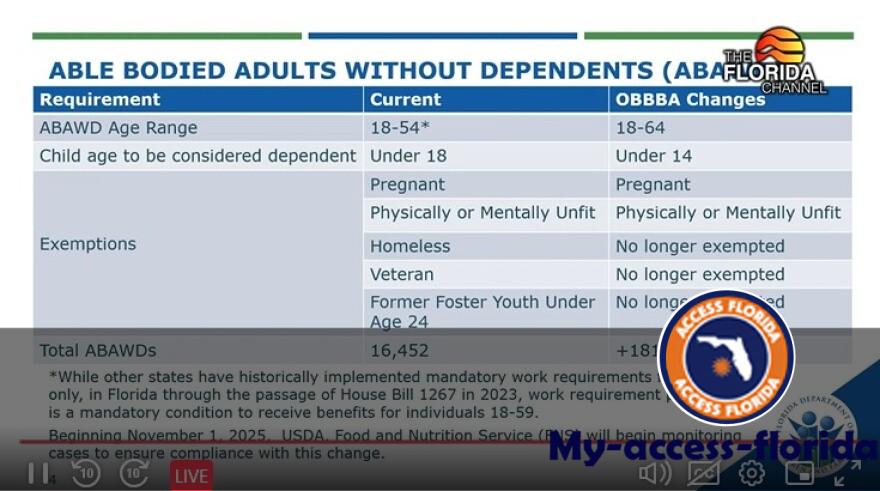
Furthermore, certain work requirements may apply to able-bodied adults without dependents (ABAWDs) in order to qualify for SNAP benefits. ABAWDs are typically individuals between the ages of 18 and 49 who are not responsible for the care of children. Meeting these work requirements is essential for maintaining eligibility and receiving continued benefits.
How to Apply for SNAP Benefits in Florida
Overview
Applying for SNAP benefits in Florida is a straightforward process that can provide essential support to individuals and families in need. To begin the application process, **potential** **applicants** can visit the Florida Department of Children and Families website or contact their local office for assistance. It’s important to gather all required documentation, such as proof of **income**, **residency**, and **identification**, to ensure a smooth application process.
Application Steps
Once **applicants** have gathered all necessary documentation, they can submit their application online through the Florida Department of Children and Families website or in person at their local office. **Applicants** may also have the option to schedule an interview to discuss their **eligibility** for SNAP benefits. After submitting the application, **applicants** will receive notification of their eligibility status and the amount of benefits they qualify for.
Snap Work Requirements Overview
Impact of SNAP Work Requirements on Recipients
Understanding the impact of Supplemental Nutrition Assistance Program (SNAP) work requirements on recipients is crucial for policymakers, advocates, and individuals receiving benefits. These requirements are designed to promote self-sufficiency and employment among SNAP participants while ensuring that those who are able to work are actively seeking employment.
Challenges Faced by Recipients
For many recipients, meeting SNAP work requirements can be challenging due to various factors such as limited job opportunities, lack of skills or education, health issues, childcare responsibilities, and transportation barriers. These challenges can make it difficult for individuals to secure stable employment and maintain their eligibility for SNAP benefits.

Resources Available for SNAP Recipients in Florida
Overview
SNAP recipients in Florida have access to a variety of resources to help them make the most of their benefits and improve their overall well-being. These resources can assist individuals and families in managing their food assistance, finding employment opportunities, and accessing additional support services.
Food Assistance Programs
One of the key resources available to SNAP recipients in Florida is the network of food assistance programs, including food banks, pantries, and meal assistance programs. These programs can provide additional food items to supplement SNAP benefits and ensure that recipients have access to nutritious meals for themselves and their families.
Employment and Training Services
SNAP recipients in Florida can also benefit from employment and training services aimed at helping individuals secure stable employment and advance their careers. These services may include job search assistance, skills training, resume building workshops, and access to job fairs, all of which can help recipients meet SNAP work requirements and achieve financial independence.
Snap Work Requirements Overview
Changes in SNAP Work Requirements Over Time have been a topic of discussion and debate as the program evolves to meet the needs of recipients. Understanding the historical context and evolution of these requirements is essential for policymakers, advocates, and recipients alike. By examining how these requirements have shifted over the years, we can gain insights into the impact on individuals and families relying on SNAP benefits.
Evolution of Work Requirements
Over the years, there have been various changes made to the work requirements for SNAP recipients. These changes have often been influenced by economic conditions, political ideologies, and societal attitudes towards poverty and welfare. By analyzing the trends in work requirements, we can better understand the motivations behind these shifts and their implications for program participants.
Impact on Recipients
The changes in SNAP work requirements can have significant consequences for recipients, affecting their eligibility for benefits and their ability to meet program obligations. It is crucial to consider how these changes impact individuals and families, particularly those facing barriers to employment or experiencing financial hardship. By examining the impact on recipients, we can identify opportunities for improvement and support within the SNAP program.
Strategies for Meeting SNAP Work Requirements
Understanding SNAP Work Requirements
SNAP (Supplemental Nutrition Assistance Program) work requirements mandate that able-bodied adults without dependents (ABAWDs) must meet certain **work-related** criteria to continue receiving benefits. This includes working a set number of hours per week, participating in job training programs, or volunteering.
Employment Opportunities
One strategy for meeting SNAP work requirements is to actively seek **employment** opportunities in your area. Local job centers, online job boards, and community organizations can help connect you with potential employers and job training programs.