
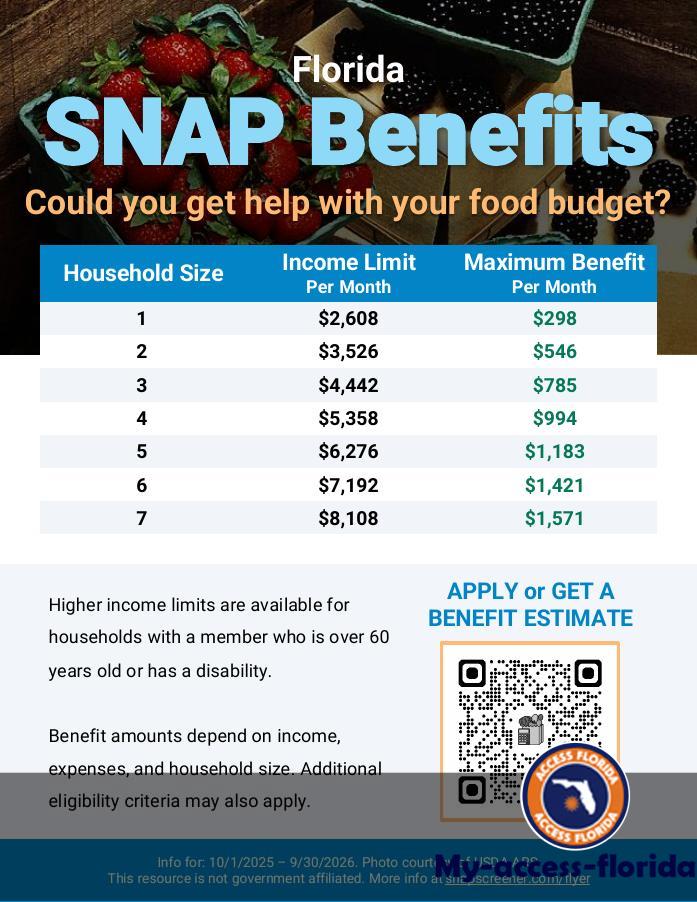
The Maximum Supplemental Nutrition Assistance Program (SNAP) Monthly Allotments in Florida are subject to regular updates in accordance with federal guidelines. Stay informed with the latest changes and adjustments to SNAP benefits in Florida through this comprehensive guide.
Snap Monthly Allotments Overview
Introduction to SNAP Benefits
The Supplemental Nutrition Assistance Program (SNAP) provides eligible individuals and families with funds to purchase food. These funds are allocated on a monthly basis, known as SNAP monthly allotments. The amount received by each household is determined based on various factors, including income, household size, and expenses.
Understanding SNAP Allotments
SNAP allotments are calculated using a standard deduction for certain expenses, such as housing and utilities, as well as a net income test. The amount a household receives can vary depending on their circumstances. It’s important for recipients to understand how these allotments are calculated to make the most of their benefits and ensure their food needs are met.

Snap Monthly Allotments Overview
Understanding SNAP Benefits in Florida
Snap, the Supplemental Nutrition Assistance Program, provides monthly benefits to low-income individuals and families in Florida to help them purchase nutritious food. Eligibility for SNAP is based on factors such as income, household size, and expenses. In Florida, the program aims to alleviate hunger and improve the health and well-being of residents facing financial hardship.
How to Apply for SNAP in Florida
Applying for SNAP in Florida is a straightforward process that can be done online, by mail, or in person at a local Department of Children and Families office. Applicants will need to provide information about their income, expenses, and household members. After submitting an application, applicants may be required to attend an interview to verify their eligibility for SNAP benefits in Florida.
Section 3: How to Apply for SNAP in Florida
Application Process
Applying for SNAP benefits in Florida is a straightforward process that can be done online, by mail, or in person at your local Department of Children and Families (DCF) office. To start the application process, you will need to provide basic information about yourself and your household, including income, expenses, and assets. The DCF will review your application and schedule an interview to verify your eligibility for SNAP.
Required Documentation
When applying for SNAP in Florida, you will need to provide several documents to support your application. These may include proof of identity, social security numbers for all household members, proof of income, expenses, rent or mortgage payments, utility bills, and any other relevant documentation. It’s important to gather all the necessary paperwork before submitting your application to ensure a smooth and efficient process.
Florida SNAP Eligibility Criteria
Income Limits
SNAP eligibility in Florida is determined based on income limits set by the government. Household income must be below a certain threshold to qualify for benefits. This threshold varies depending on the number of people in the household and other factors. It is important to review the current income limits to ensure eligibility.
Asset Limits
In addition to income limits, SNAP also has asset limits that households must meet to qualify for benefits. Assets such as savings accounts, retirement accounts, and real estate are taken into consideration when determining eligibility. It is essential to understand the asset limits in Florida to accurately assess eligibility.

Snap Benefit Calculation in Florida
Overview
Snap benefit calculation in Florida is based on several factors, including household size, income, and expenses. To determine the amount of benefits a household is eligible to receive, the Florida Department of Children and Families uses a formula that takes into account the federal poverty guidelines and the maximum allowable benefit for the household size.
Income Calculation
The calculation of SNAP benefits in Florida starts with determining the household’s gross income and then subtracting certain allowable deductions such as housing costs, child care expenses, and medical expenses. The remaining amount is the household’s net income, which is used to determine the benefit amount the household is eligible to receive.
Changes in SNAP Allotments: Florida Updates
Overview
In this section, we will discuss the recent updates regarding **SNAP allotments** in Florida. These changes may include adjustments to benefit amounts, eligibility criteria, or other program details that affect SNAP recipients in the state.
Recent Changes in Allotments
Florida regularly reviews and updates its **SNAP allotment** amounts to reflect changes in the cost of living and other economic factors. These adjustments aim to ensure that recipients receive adequate support to meet their food needs. It is important for SNAP beneficiaries to stay informed about these updates to understand how they may impact their benefits.
LATEST FLORIDA SNAP MONTHLY ALLOTMENT LIMITS
Overview
Florida SNAP monthly allotment limits are determined based on various factors, including household size, income, and allowable deductions. These limits are subject to change periodically due to adjustments in the cost of living and economic conditions. It is essential for recipients to stay informed about the latest allotment limits to manage their benefits effectively.
Current Allotment Limits
As of the latest update, the monthly allotment limits for Florida SNAP recipients range from $234 for a household of one individual to $1,164 for a household of eight individuals. These limits are set to ensure that eligible households receive adequate assistance to meet their nutritional needs. It is crucial for beneficiaries to be aware of these limits to budget their expenses accordingly and make the most out of their SNAP benefits.